
Why Choose Our Retaining Wall Contractors in Atlanta
-
We Engineer for the Load
Wall height, soil type and what sits above it all change the maths. We size the base, batter and reinforcement to the actual conditions on your lot, and bring in engineered drawings when the height calls for it.
-
Drainage Comes First
Nearly every failed wall in Atlanta failed because water had nowhere to go. Gravel backfill, filter fabric and drain pipe are standard on our builds — never the optional extra that quietly disappears from a cheaper quote.
-
Built for Red Clay
Piedmont clay swells when wet and shrinks when dry, which punishes walls built on assumptions. We excavate to stable ground and compact in lifts, so seasonal movement does not turn into a bulge three winters later.
-
Materials That Suit the House
Segmental block, poured concrete, natural stone or brick — we recommend based on the slope, the budget and the look of your home, then show you samples on site before anything is ordered.
-
Permits and Approvals Handled
Walls above a certain height need engineering and permits, and requirements differ across metro Atlanta counties. We identify what yours needs and manage the paperwork rather than leaving it with you.
-
One Crew, Start to Finish
The same team excavates, builds, backfills and finishes. Nobody hands your job to a subcontractor halfway through, and there is one number to call if you have a question about anything.
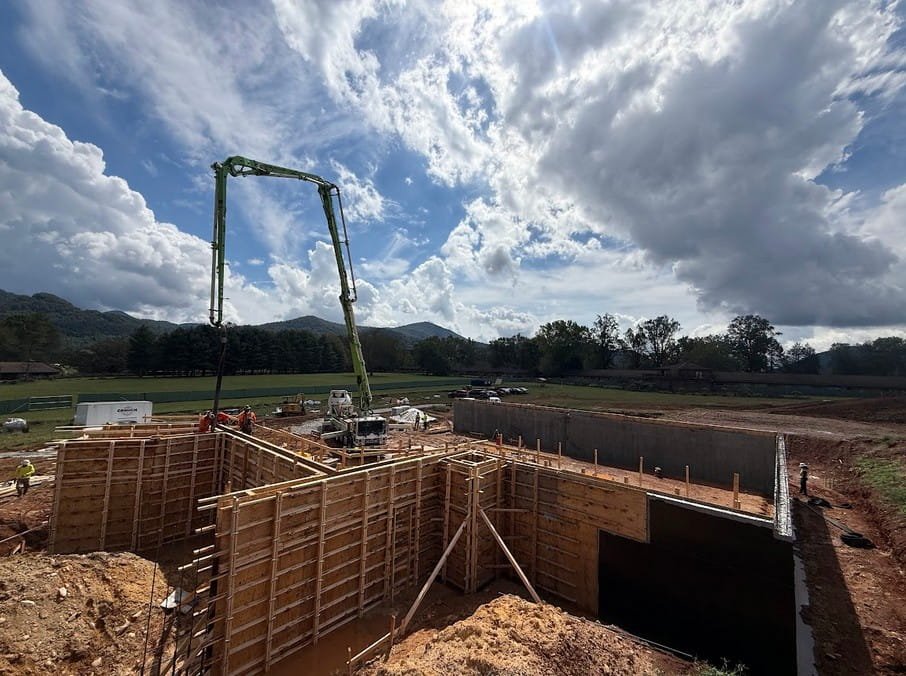
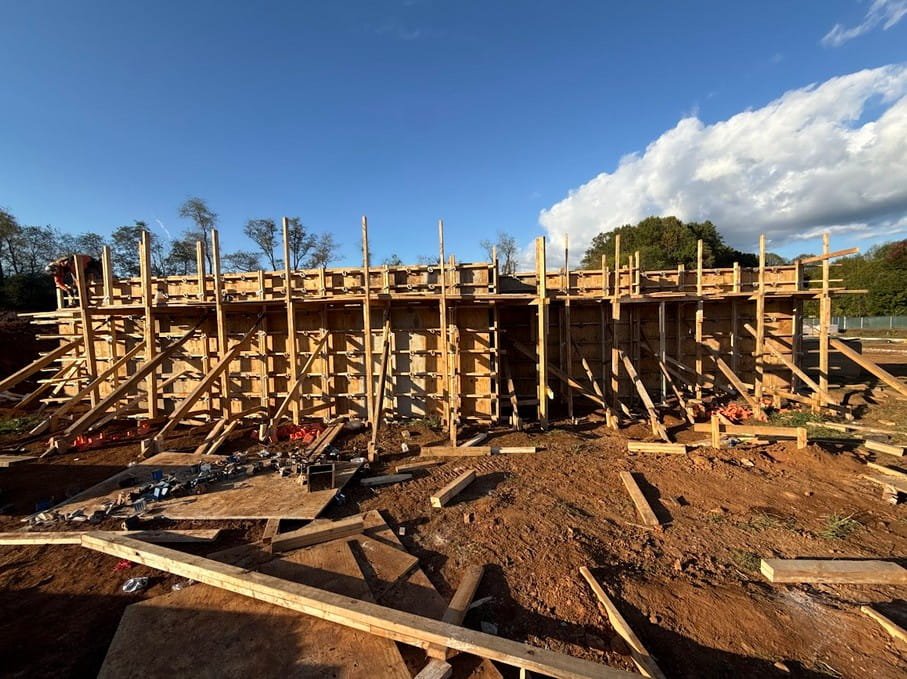
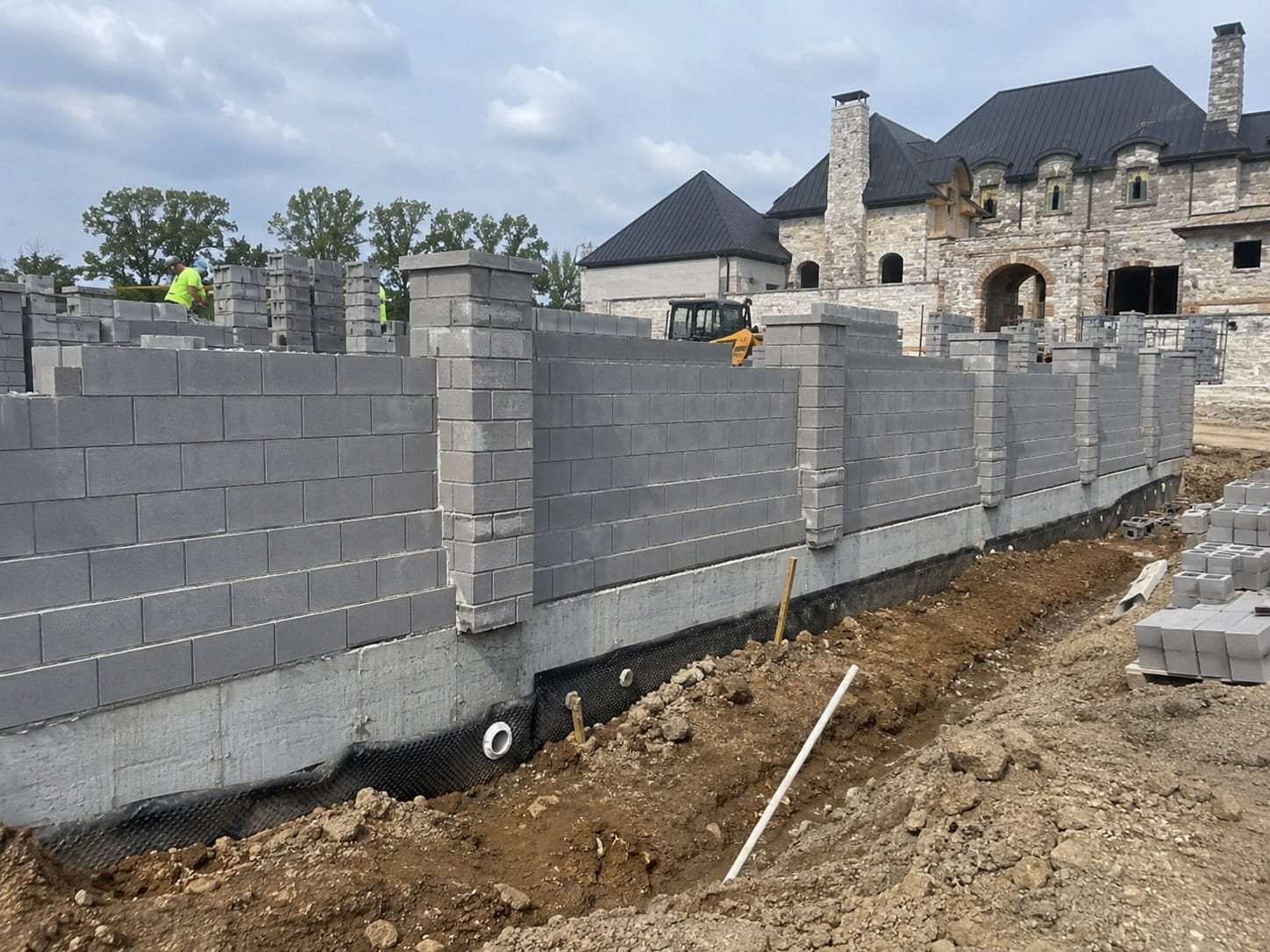
Our Retaining Wall Work in Atlanta
6 Reasons to Install Retaining Walls in Atlanta
-
Stop Losing Soil Every Storm
A single Atlanta downpour can move a startling amount of topsoil off a bare bank. A retaining wall holds that ground in place, so you stop replacing mulch, reseeding, and shovelling silt off the driveway.
-
Reclaim Yard You Cannot Use
A slope is dead space. Terrace it and you gain a level lawn, a play area or a patio footprint — usable square footage on land you already own and already pay taxes on.
-
Protect the Foundation
Uncontrolled runoff heading toward the house is a foundation problem waiting to happen. A properly drained wall intercepts that water and routes it away before it ever reaches your footings.
-
Add Real Property Value
Hardscape reads as permanent improvement to buyers and appraisers alike. A well-built stone or block wall lifts kerb appeal and signals that the property has been looked after structurally, not just cosmetically.
-
Make Landscaping Possible
Planting on a steep bank is a losing battle — water runs off before roots get it. Level terraces hold moisture where plants need it, which is why terraced beds thrive when banks do not.
-
Define the Property Properly
Walls create edges: a raised bed along the drive, a seat wall around a fire pit, a clean boundary between lawn and woodland. Structure makes a garden look designed rather than accidental.
6 Qualities of a Good Retaining Wall Expert in Atlanta
-
They Ask About Water First
A contractor who talks only about block colour is selling you a facade. The right one asks where water comes from, where it currently goes, and how the wall will handle it before quoting anything.
-
They Dig a Proper Base
Base depth is invisible once the wall is up, which is exactly why it gets skipped. A good builder excavates below grade, compacts in layers, and will happily show you the trench before laying the first course.
-
They Know When to Call an Engineer
Height, surcharge loads and poor soil all have thresholds. An honest contractor tells you when your wall needs stamped drawings instead of quietly building tall and hoping nobody inspects it.
-
They Quote in Writing, Itemised
Excavation, base stone, drainage, block and backfill should each appear on the page. A single lump sum makes it impossible to see whether the parts that matter were priced in at all.
-
They Show You Local Work
Ask for walls they built in metro Atlanta three or more years ago, not last month. Any wall looks good the week it is finished; the ones still straight after several wet seasons tell you the truth.
-
They Are Licensed and Insured
Retaining walls are structural. If one fails against a neighbour’s property, insurance and licensing stop being paperwork and start being the only thing standing between you and the bill.
Cost of Retaining Walls in Atlanta
Retaining walls in Atlanta generally cost $40 to $120 per square foot of wall face, with most residential projects falling between $4,000 and $15,000. A low segmental block garden wall can be done for $2,500 to $5,000, while a tall engineered wall holding a steep bank with full drainage reaches $15,000 to $40,000 or more.
Height matters far more than length to the final figure, because past roughly four feet most metro Atlanta counties require a permit and engineered drawings, and the reinforcement, footing and drainage all step up together. Walls that fail early almost always failed for one reason: water was never given a route out from behind them, so budgeting properly for drainage stone and pipe is not an upgrade, it is the wall.
Atlanta Retaining Walls Cost Breakdown
| Project Type | Typical Cost Range | Notes |
|---|---|---|
| Segmental concrete block (SRW) | $40–$75 per sq ft | The workhorse; forgiving of clay movement |
| Natural stone | $60–$150 per sq ft | Suits historic and high-end properties |
| Poured concrete | $50–$110 per sq ft | Formwork is the labour-intensive part |
| Low garden wall (under 3 ft) | $2,500–$5,000 | Typically no permit required |
| Standard residential wall (3–6 ft) | $6,000–$18,000 | Permit and engineering usually required |
| Tall or terraced engineered wall | $15,000–$40,000+ | Steep banks and significant excavation |
| Drainage stone, pipe and filter fabric | $15–$35 per linear ft | Not optional; the most common cause of failure |
| Engineered drawings and permit | $500–$2,500 | Required above a set height, varies by county |
Please note this is only an estimate. You can get a more accurate quote when you call our team or provide specific project details in our contact form.
Retaining Walls FAQs
How much does a retaining wall cost in Atlanta?
Cost depends on height, length, material and how much excavation and drainage the site needs. A low garden wall sits at the affordable end, while a tall engineered wall holding a steep bank costs considerably more. We quote itemised after seeing the site, so you know what drives the figure.
Do I need a permit for a retaining wall in Atlanta?
Usually yes once the wall passes a set height, which varies by county across metro Atlanta, and taller walls often need engineered drawings too. We check the requirements for your address and handle the permit application as part of the project rather than leaving it to you.
How long does a retaining wall last?
A properly built wall with correct drainage and a compacted base should last decades, and stone or concrete walls often outlast the fences and planting around them. Walls that fail early almost always did so because water was never given a route out from behind them, not because of the block.
What is the best material for a retaining wall in Georgia?
Segmental concrete block is the workhorse: strong, cost-effective and forgiving of clay movement. Natural stone costs more but suits historic and high-end homes beautifully. Poured concrete and brick both have their place. We match the material to your slope, budget and house style rather than to what we stock.
How long does it take to build a retaining wall?
A small garden wall can be finished in a couple of days. A tall, long or terraced wall involving significant excavation and drainage typically runs one to two weeks. Wet weather affects groundwork, so we build a realistic allowance into the schedule and keep you posted as it moves.