
When Do You Need Stucco Repair and Applications in Atlanta
-
Cracks Widening Beyond Hairline
Fine crazing is normal as stucco cures. Cracks you can catch a fingernail in are letting water into the wall assembly, and in Atlanta’s rainfall that turns a cosmetic issue into a structural one quickly.
-
Dark Streaks Below Windows
Staining running down from window corners and sills almost always means failed flashing above. The stucco is showing you the symptom; the repair has to address the flashing detail behind it.
-
Soft or Bulging Areas
Stucco that sounds hollow when tapped, or bulges away from the wall, has lost its bond because moisture is trapped behind. This needs opening up rather than patching over, however tempting that is.
-
Damage at the Base of Walls
Crumbling within a foot of the ground usually means stucco was taken too close to grade, or a weep screed is missing or buried, so the wall cannot drain and wicks moisture upward instead.
-
You Are Re-Cladding or Extending
New application over an addition, or replacing dated siding with stucco, is the moment to get the whole assembly right — barrier, lath, screed and flashing — while the wall is genuinely open.
-
Previous Patches Standing Out
Mismatched patches in colour or texture make an elevation look neglected even when it is sound. Re-coating a whole face restores consistency far better than another patch will.
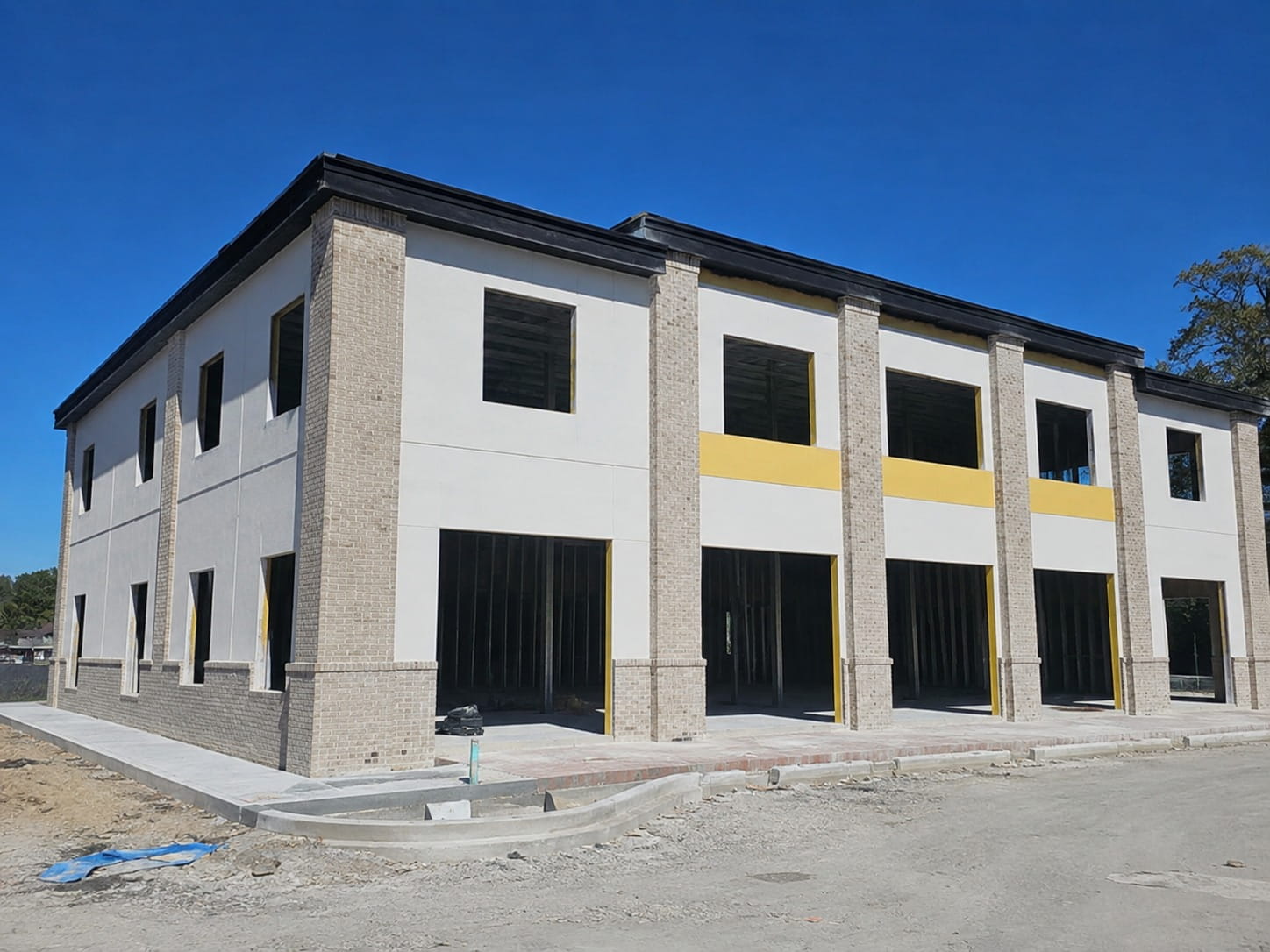
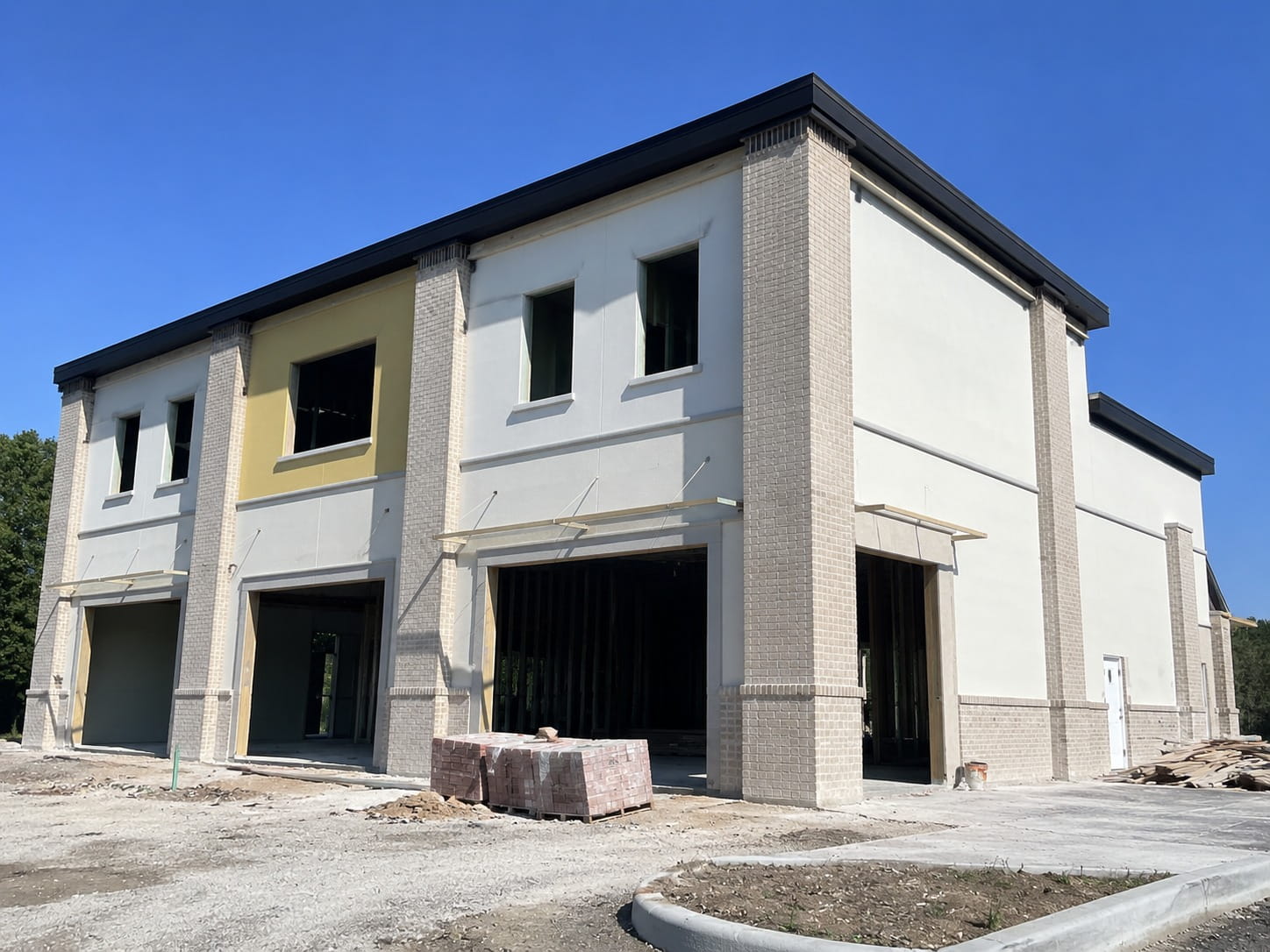
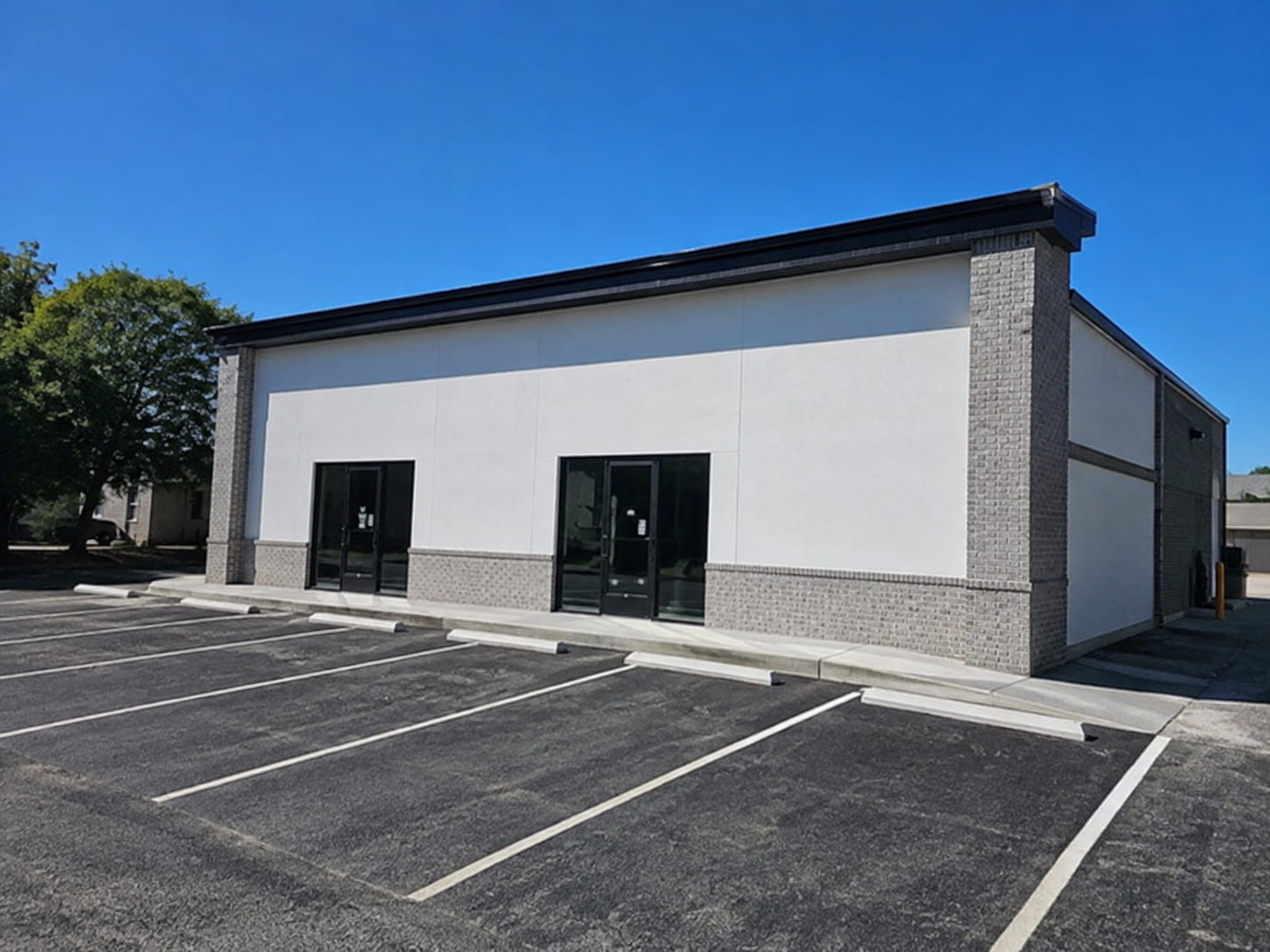
Our Stucco Repair Work in Atlanta

Why Choose Our Stucco Repair & Application Company in Atlanta
-
We Find the Water First
Patching stucco without tracing the leak guarantees a repeat visit. We check flashing, sills, roof junctions and grade levels to establish how water is getting in before any material goes on the wall.
-
Texture Matched by Hand
Sand, dash, skip trowel and smooth finishes each need a different technique, and a mismatch is obvious from the street. We work up sample boards on site until the match genuinely disappears.
-
Correct Lath and Barrier
Behind any sound stucco is a weather-resistive barrier, lath fastened at the right spacing, and a weep screed at the base. Where previous work skipped those, we put them right rather than covering them.
-
Cracks Repaired by Type
Hairline crazing, structural cracks and joints between materials all need different treatment. Filling a moving crack with rigid patch simply reopens it, so we identify which kind yours is.
-
Cured in the Right Conditions
Stucco needs controlled moisture as it cures. Atlanta summer sun dries it too fast and causes shrinkage cracking, so we shade, mist and schedule around the weather rather than pushing on regardless.
-
Licensed, Insured, Honest
If we open a wall and find rotted sheathing behind the stucco, we show you the photographs and price the real repair rather than skinning over it. That is the whole point of hiring a licensed contractor.
Cost of Stucco Repair in Atlanta
Stucco repair in Atlanta typically costs $8 to $25 per square foot for patching, with most repair projects landing between $1,000 and $5,000. A full re-render of one elevation runs $6,000 to $15,000, and whole-house re-stuccoing reaches $10,000 to $25,000. Costs climb sharply once sheathing behind the stucco has rotted, because the repair then involves opening the wall.
Identifying which system you have changes the repair completely. Traditional stucco is cement-based render on lath and it breathes; EIFS, or synthetic stucco, is foam insulation with a thin acrylic finish. Barrier-type EIFS installed through the nineties has a poor record in humid climates like ours, trapping water against sheathing, so investigation before quoting is not optional.
Atlanta Stucco Repair Cost Breakdown
| Project Type | Typical Cost Range | Notes |
|---|---|---|
| Hairline crack repair | $300–$900 | Cosmetic cracking; no moisture involvement |
| Patch repair, localised | $8–$25 per sq ft | Colour and texture matching is skilled work |
| Moisture testing and probe investigation | $400–$1,200 | Water damage hides behind sound-looking stucco |
| Sheathing or framing replacement | $15–$45 per sq ft | Where water has reached the structure |
| Single elevation re-render | $6,000–$15,000 | Better result than widespread patching |
| Whole-house re-stucco | $10,000–$25,000 | Standard-size home; scaffolding included |
| EIFS remediation | $20–$50 per sq ft | Adding a proper drainage plane behind the system |
| Repainting or refinishing | $2–$6 per sq ft | Breathable elastomeric coatings |
Please note this is only an estimate. You can get a more accurate quote when you call our team or provide specific project details in our contact form.
Stucco Repair FAQs
How much does stucco repair cost in Atlanta?
Patching isolated cracks and small damaged areas is inexpensive. Costs climb once sheathing behind the stucco has rotted, because the repair then involves opening the wall, replacing framing or sheathing and rebuilding the drainage layer. We investigate the extent first, since visible damage is often smaller than what sits behind it.
What causes stucco to crack in Georgia?
Normal building movement produces fine hairline cracking that is cosmetic. The cracks that matter are wider, diagonal, or radiate from window and door corners, because those follow structural movement or trapped moisture. Georgia rainfall then drives water into every one of them, which is how small cracks become wall repairs.
Can stucco be patched, or does the whole wall need redoing?
Patching works well for localised damage, though colour and texture matching on a weathered wall is genuinely skilled work and a patch rarely disappears completely. Where cracking is widespread or moisture has got behind the system, a full re-render of that elevation gives a better and longer-lasting result.
How do I know if my stucco has water damage?
Look for staining below windows, soft or spongy areas when pressed, bulging, hollow sounds when tapped, and efflorescence. Musty smells or damp patches on interior walls are later signs. We use moisture meters and, where warranted, probe testing, because water damage hides behind sound-looking stucco far more often than not.
What is the difference between traditional stucco and EIFS?
Traditional stucco is cement-based render on lath, and it breathes. EIFS, or synthetic stucco, is foam insulation with a thin acrylic finish coat. Barrier-type EIFS installed in the nineties has a poor record in humid climates like ours, trapping water against sheathing. Identifying which you have changes the repair completely.